

Summer travel in India opens up a wide mix of experiences, from cool Himalayan escapes and lush hill stations to wildlife sightings in national parks and walks through rolling tea gardens. Here are six summer destinations that offer very different ways to plan a holiday away from the heat.
Ladakh (Leh & Nubra Valley)—A Summer Journey Through High Altitudes
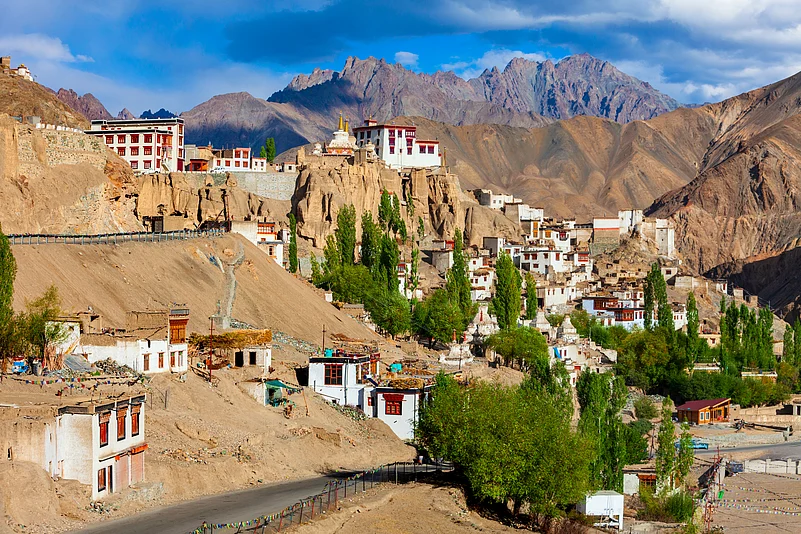

Between May and September, Ladakh opens into a striking high-altitude escape of clear skies, mountain passes and wide valleys. With temperatures in Leh generally ranging from 10°C to 25°C, summer is the only time when road access fully connects its monasteries, villages and dramatic landscapes.
Things To Do
Leh Monasteries & Landmarks
Ease into the altitude while exploring Shanti Stupa, Leh Palace and Gurudwara Pathar Sahib, each offering quiet views and a sense of the region’s cultural depth.
Khardung La & Nubra Valley
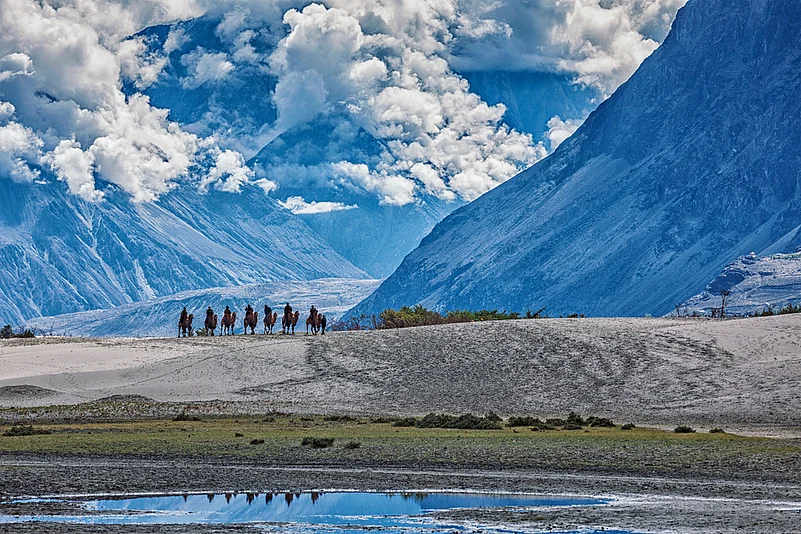
Cross Khardung La, one of the world’s highest motorable passes, into Nubra Valley — a striking mix of green riverbanks, stark mountains and desert-like dunes at Hunder.
Turtuk & Diskit Monastery
Visit Diskit Monastery with its hilltop Buddha statue, and continue to Turtuk, a remote village near the border with a distinct local culture.
Travel Tips
Acclimatisation first
Spend 36–48 hours in Leh on arrival to adjust to the altitude before travelling further.
Permits required
An Inner Line Permit (ILP) is needed for Nubra Valley and other restricted areas.
Pack for extremes
Carry layers, as temperatures can drop sharply after sunset and at higher elevations.
Stay altitude-aware
Keep hydrated, avoid overexertion early on, and allow your itinerary to remain flexible.
Kashmir (Srinagar, Gulmarg & Pahalgam)—A Summer Circuit in the Valley
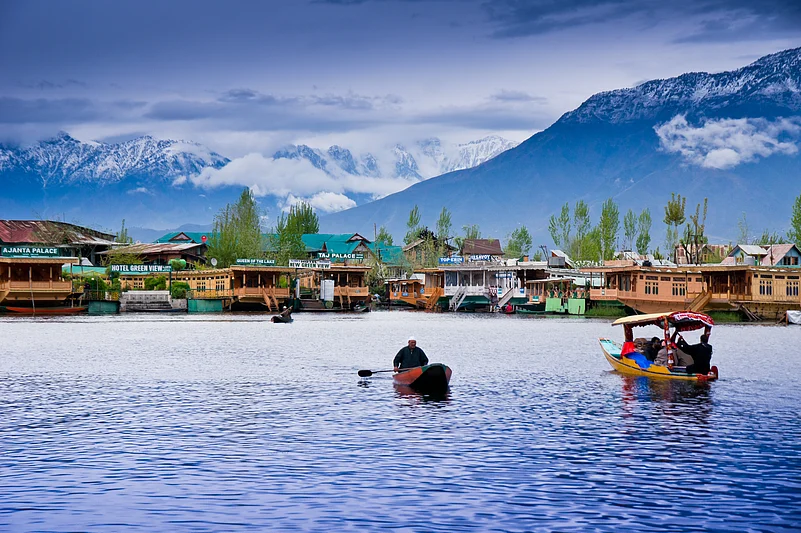
Between April and June, Kashmir settles into its most inviting season, with temperatures generally ranging from 11°C to 25°C. Snow recedes from the higher slopes, revealing green meadows, flowering gardens and clear mountain air across Srinagar, Gulmarg and Pahalgam — a classic summer loop through the valley.
Things To Do
Srinagar Lakes & Mughal Gardens
Base yourself around Dal Lake or Nigeen Lake, often in traditional houseboats, and explore Srinagar’s terraced Mughal gardens such as Nishat Bagh and Shalimar Bagh, where fountains and blooms are at their seasonal peak.
Gulmarg Gondola & Meadows
Head up to Gulmarg for the gondola ride, one of the highest cable cars in the world, reaching Apharwat Peak for wide Himalayan views. In summer, the snow gives way to open meadows ideal for walks and golf at the Gulmarg Golf Course.
Pahalgam Valleys & River Life
Follow the Lidder River to Pahalgam, a quieter stretch of the valley. Explore Aru Valley, Betaab Valley and Chandanwari, or take a pony ride up to Baisaran, often referred to as “Mini Switzerland”.
Optional Experiences Along the Route
Add river rafting on the Lidder, early morning Shikara rides on Dal Lake, or a stop at saffron fields and the ancient Avantipur ruins en route to Pahalgam.
Travel Tips
Book well in advance
Summer is peak season, so accommodation and Gulmarg Gondola tickets should be reserved early.
Layered clothing is key
Days are mild, but temperatures drop in Gulmarg and higher elevations, especially after sunset.
Start early for local experiences
The floating vegetable market on Dal Lake is best seen at dawn, when activity begins around 5–6 am.
Plan a slow circuit
Allow at least 5–6 days to move between Srinagar, Gulmarg and Pahalgam at a relaxed pace.
Spiti Valley (Himachal Pradesh)—A High-Altitude Summer Escape
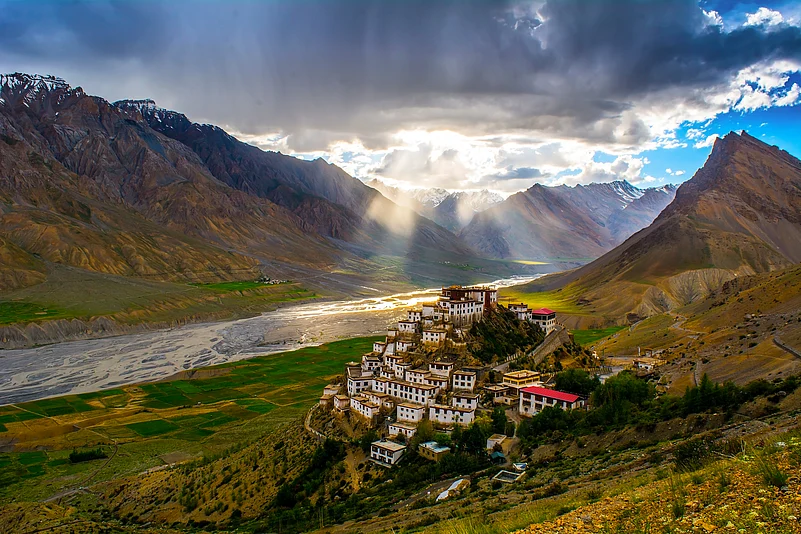
Between May and September, Spiti Valley opens up as a stark, high-altitude circuit often called “Little Tibet”. With summer temperatures typically ranging from 15°C to 25°C, it offers a rare combination of crisp weather, vast desert-like mountains, ancient monasteries and remote Himalayan villages.
Visit Key
Visit the iconic Key Monastery, dramatically set against barren mountains. The largest and most famous monastery, it is known for its fortress-like appearance and stunning views of the Spiti River.
Tabo Monastery & Ancient Heritage
This 1,000-year-old UNESCO heritage site is renowned for its detailed frescoes and clay stucco sculptures.
Chandratal Lake & Landscapes
Head towards Chandratal Lake, a high-altitude crescent-shaped lake that shifts in colour through the day, surrounded by stark mountain ridges and open skies.
Travel Tips
Altitude needs respect
Spiti is very high up, and the thin air is something you feel quickly. Take it slow, build in time to adjust, and keep drinking water regularly.
Nights turn cold, even in summer
Days can feel mild, but once the sun goes down the temperature drops sharply. Warm layers are not optional here — they’re essential.
Don’t rely on being connected
Mobile signal comes and goes, and often disappears completely between villages. It’s best to assume you’ll be offline for long stretches.
Routes depend on conditions
You can enter Spiti via Shimla or Manali, but both routes are seasonal and weather-dependent, so plans often need a bit of flexibility.
Gangtok & Pelling (Sikkim)—A Summer Escape in the Eastern Himalayas
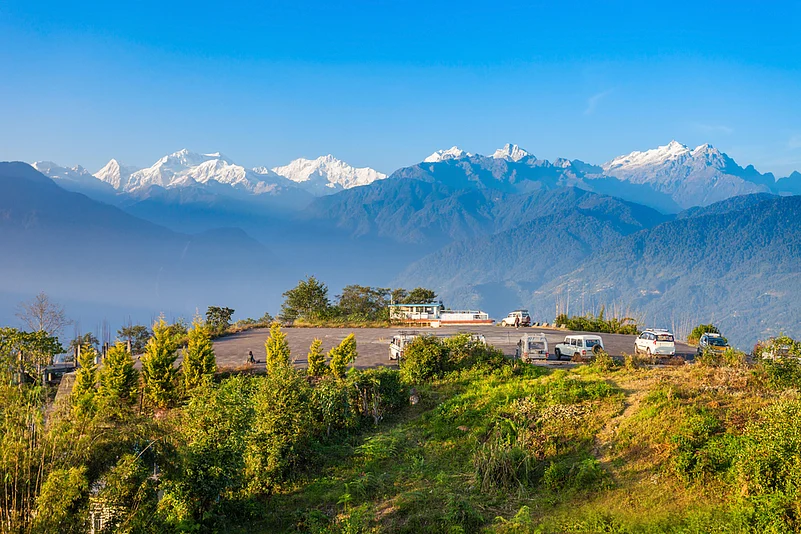
In the summer months, Gangtok and Pelling offer a cool break from the heat of the plains, with temperatures generally sitting between 10°C and 18°C. One brings a lively mix of cafés, monasteries and mountain-day trips; the other slows everything down with wide-open views of Kanchenjunga and quiet forested landscapes.
Things To Do
Gangtok’s MG Marg & city life
Spend time around MG Marg, a pedestrian-only stretch lined with cafés, shops and viewpoints—an easy introduction to the city’s relaxed pace. Pick up some stunning handicrafts from the state-run centre.
Monasteries and hill views
Rumtek Monastery is worth a visit for a quieter pause outside Gangtok, while the ropeway gives a slow, sweeping look over the city and surrounding hills.
Kanchenjunga at dawn in Pelling
In Pelling, early mornings are often about the mountains — Kanchenjunga appears most clearly at sunrise, best seen from hotel viewpoints or the Helipad Ground when the light first breaks.
Skywalk and nearby sights
The glass skywalk near the Chenrezig statue feels quite different from everything around it—part viewpoint, part novelty—and looks straight out over the hills. Pemayangtse Monastery and the Rabdentse ruins bring the focus back to older Sikkim, with open, unforced views of the mountains. Khecheopalri Lake is quieter still, tucked into forest cover, while Singshore Bridge cuts across a deep valley in a single, long span.
Travel Tips
Dress in layers, not bulk
Days stay comfortable, but it doesn’t take much for the temperature to drop — especially once you’re at viewpoints or out after sunset.
Permits are unavoidable for some routes
Trips towards Tsomgo Lake and Nathu La need permits, usually arranged through local operators with ID checks, so they’re not something to leave until the last minute.
Distances don’t tell the full story
On paper, journeys look short. In reality, winding roads and elevation changes mean things move at their own pace.
Peak season needs early planning
May and June get busy enough that hotels and taxis tighten up quickly, so sorting things in advance saves a lot of friction later.
Kotagiri, Tamil Nadu—A Quiet Summer Among the Nilgiri Hills
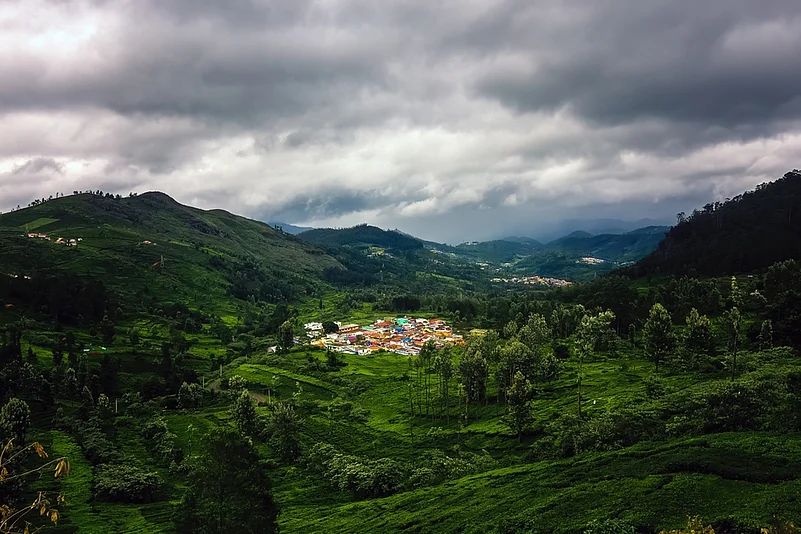
Set at around 1,793 metres in the Nilgiri Hills, Kotagiri moves at a noticeably gentler pace than its better-known neighbours, Ooty and Coonoor. Summer here stays comfortably cool, often close to 25°C, with rolling tea estates, misty slopes and a lingering colonial-era stillness that has never quite been rushed away.
Things To Do
Tea estates and hillside walks
Tea gardens stretch across much of Kotagiri, folding into the hills in long, green layers. The simplest way to take it in is just to walk—paths cut through plantations where the views open and close as the terrain shifts.
Kodanad View Point
A short drive out leads to Kodanad, where the hills suddenly open out into wide valleys and distant plains. There’s no real structure to it—just space, wind, and a long view over the Nilgiris.
Catherine Falls
The approach to Catherine Falls winds through forest paths and small lookout points before the water appears in two distinct drops. It changes with the season, but the setting always feels bold and open.
Shola forest walks and backroads
The Longwood Shola Reserve Forest is quiet in a way that feels almost enclosed, with shaded paths cutting through dense woodland. Outside it, smaller roads drift past tea estates and scattered settlements with very little traffic or noise.
Travel Tips
Dress for shifting weather
Days stay mild, but mornings and evenings can feel noticeably cooler, so light clothing with an extra layer tends to work best.
Getting around is part of the experience
Kotagiri isn’t really a place for ticking off sights quickly. Most spots end up being reached slowly—on foot or via short, winding drives through the hills.
Connectivity comes and goes
Mobile signal comes and goes, especially around forested stretches and higher viewpoints, so it’s worth not relying on being online all the time.
No need to rush it
The rhythm here is slower by default. It works better when plans are loose, with time left between stops rather than a packed schedule.
Dalhousie, Himachal Pradesh—A Quiet Summer Across Pine-Clad Hills
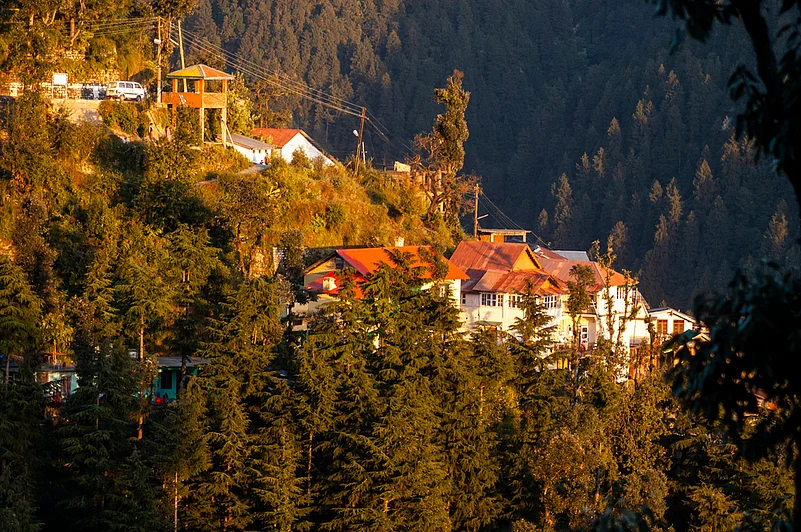
Spread across five hills in the Chamba region, Dalhousie feels tucked away from the faster rhythm of the plains. Built in the mid-19th century and still carrying traces of its colonial past, the town moves between old churches, cedar forests and long valley views that open up without much effort.
Summer here stays comfortably cool, usually between 14°C and 30°C, with pine-scented air and long walks becoming part of everyday routine.
Things To Do
Khajjiar meadow
A short drive from Dalhousie leads to Khajjiar, a wide open grassland surrounded by deodar forest. It’s an easy place to spend a few hours, whether walking, horse riding or simply sitting back with the landscape.
Dainkund Peak
The climb to Dainkund is steady, with more sky opening up the higher you go. At the top, the Dhauladhar range runs clean across the horizon, and on clear days the valleys and rivers below are easy to pick out.
Panchpula and Satdhara Falls
Panchpula is really just a place to slow down—water running through shaded clearings, people resting in pockets of shade. Satdhara Falls is a short continuation from there, stronger in summer when the melt keeps it flowing.
Kalatop forests and short trails
Kalatop is thick with deodar and pine, and once you’re inside it feels noticeably cooler. Light barely breaks through in places, and the walk is mostly sound—birds, wind, and the trail underfoot.
Churches and older streets
St John’s and St Francis churches sit quietly in Dalhousie’s older part of town. Nothing dramatic about them—just old stone, simple lines, and a sense that things haven’t been hurried here.
Travel Tips
Carry a layer without overthinking it
Days stay pleasant, but once the sun dips behind the hills, it cools down quickly.
Sort stays early in May–June
It gets busy enough for availability to tighten, especially over weekends.
Distances feel longer on the road
The map is misleading here—bends and elevation slow everything down, so it’s better not to pack the day too tightly.
Don’t rely on signal everywhere
Coverage fades in forest stretches and higher spots, so offline maps tend to be more useful than expected.

FAQs
When is the best time to visit these places?
Most destinations are best between March and June, with higher Himalayan regions like Ladakh and Spiti extending into September.
Is altitude sickness a concern?
Yes, in Ladakh and Spiti. A slow start, rest on arrival, and staying hydrated help with adjustment.
Do I need permits anywhere?
Some areas, like parts of Ladakh and Sikkim (Tsomgo Lake, Nathu La), require permits arranged locally.
What should I pack?
Light layers for the day and warm clothing for evenings—temperatures can drop quickly in the hills.
Will I have mobile network everywhere?
Not always. Coverage is patchy in remote and high-altitude areas, so offline maps are useful.